

Making tax digital and the future of the UK hair industry
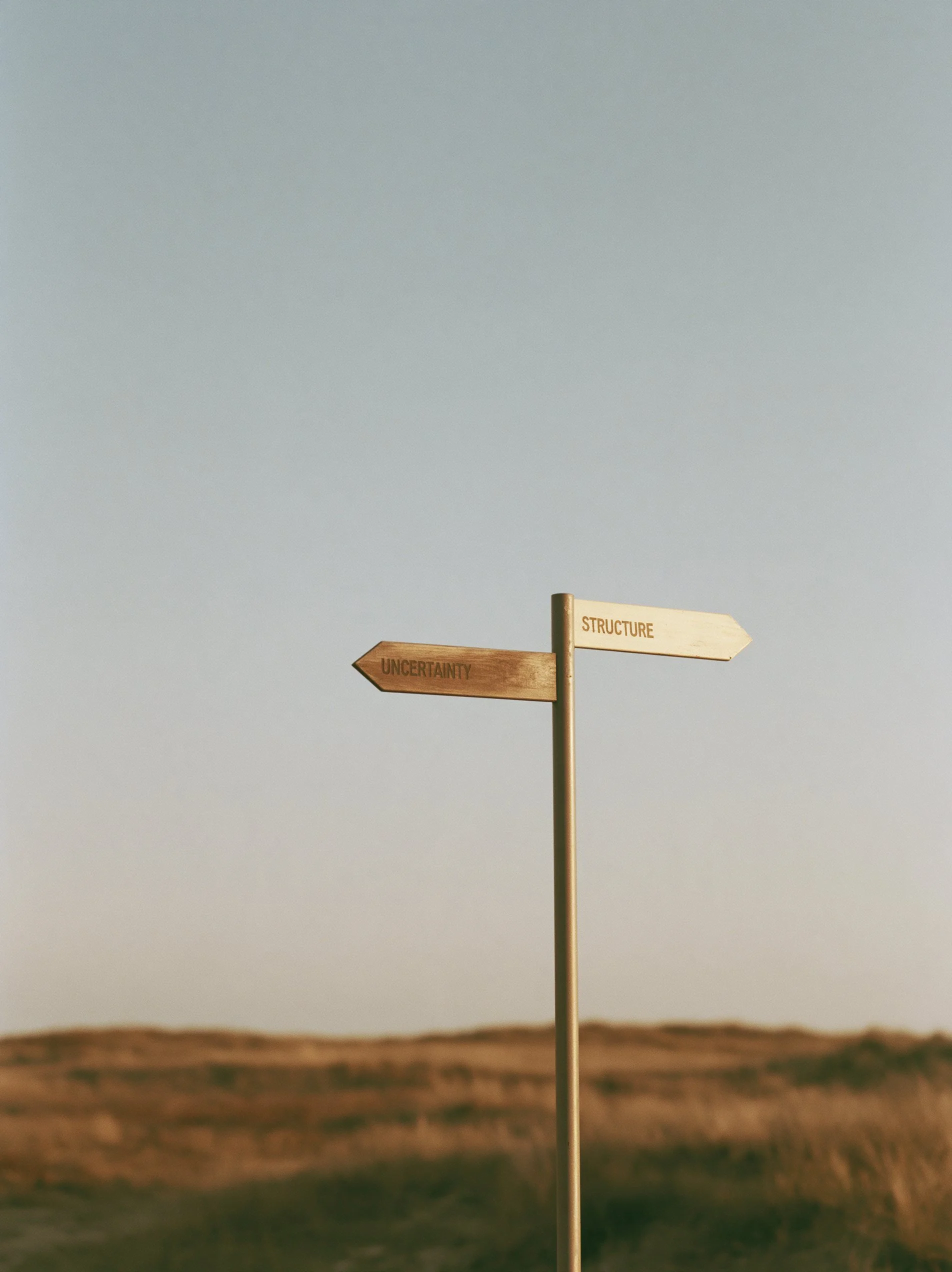
The rules of the industry are changing. Structure, compliance and accountability are becoming part of everyday business life for self employed professionals across the UK. Some will adapt and thrive. Others will start looking for stability, leadership and support again.
That shift is already underway, and it is going to reshape where the best stylists choose to work.
The triggerMaking Tax Digital changed the maths
From 6 April 2026, Making Tax Digital for Income Tax became mandatory for sole traders and landlords with qualifying income above fifty thousand pounds, with a lower threshold following in April 2027. Digital records. Quarterly updates to HMRC. More visibility, more admin and more accountability.
For a self employed stylist running a chair, that is not a small change. Running a business is becoming more structured, whether people like it or not. Anyone unsure where they sit should check their own position with an accountant rather than with the internet.
Freedom always came with responsibility. The paperwork simply made it visible.
The story a lot of people were sold
For years, the same story was repeated by hairfluencers and characters across the industry. Go self employed. Work for yourself. Create freedom. For some, that has worked brilliantly, and there is no denying it. For many others, the reality has been very different.
Because freedom comes with tax compliance, cash flow management, marketing, client retention, pension contributions, no sick pay and no holiday pay. That is what business ownership actually looks like once the promise of independence wears off.
The next shift is already happening
Some self employed professionals are beginning to look for stability again: security, structure, leadership and support. Not because they failed, but because the facade of freelancing has worn thin.
Meanwhile, the salons that held their nerve are in a strong position. The ones that kept an employed model, built systems, invested in leadership and protected their culture did not chase trends. They built businesses. Salons such as Farah Naz Hair in Manchester, Vine Hair in Tunbridge Wells and KH Hair in Nottingham represent that model well: commercially minded, operationally structured and led by strong people managers. They are increasingly attractive places to work.
Our view is simple
This is not the end of self employment. The commercially savvy, disciplined operators will keep thriving. But the casual approach to running a hair business is getting harder to sustain, and those who tested self employment because it was glamorised on social media are now hitting a ceiling.
The environments best placed to support their growth next are modern, employed salons with strong systems and strong leadership. If that is the salon you are building, the thing standing between you and the best stylists in your area is usually visibility, not vacancy.
Whether you are a salon owner building structure for the future or a stylist thinking about where to grow next, a clear brand and content strategy matters more than it did five years ago. You can see the work we make for salons and brands.